There is a particular kind of boredom that only exists in German university libraries in winter.
I was at the Juridicum building of the University of Bonn, surrounded by law students who had arranged their textbooks on little book stands, like altars to something they both feared and worshipped. Temperature controlled. Quiet. Gray outside. I was supposed to be studying economic theory.
Instead, I was reading the Economist.
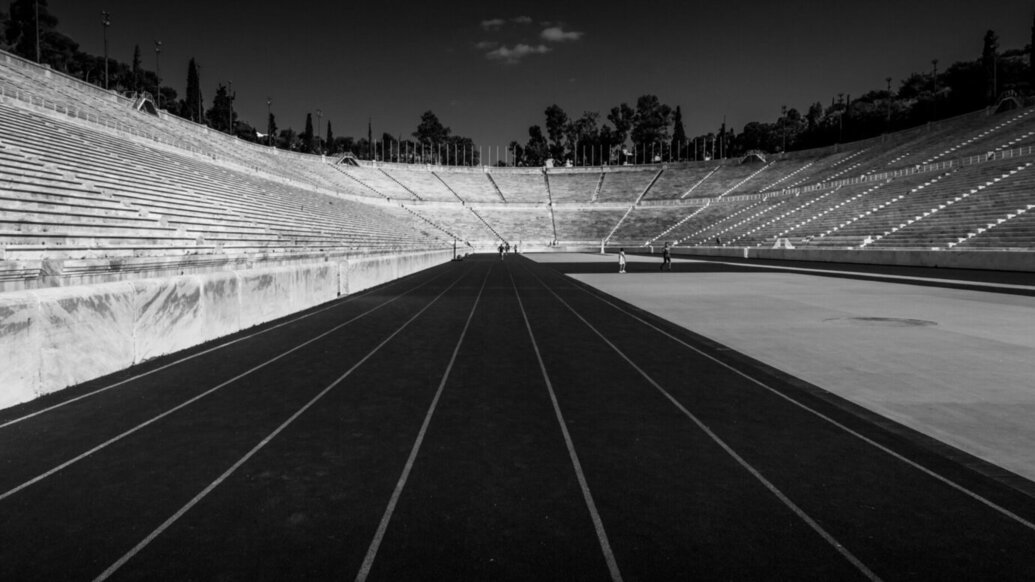
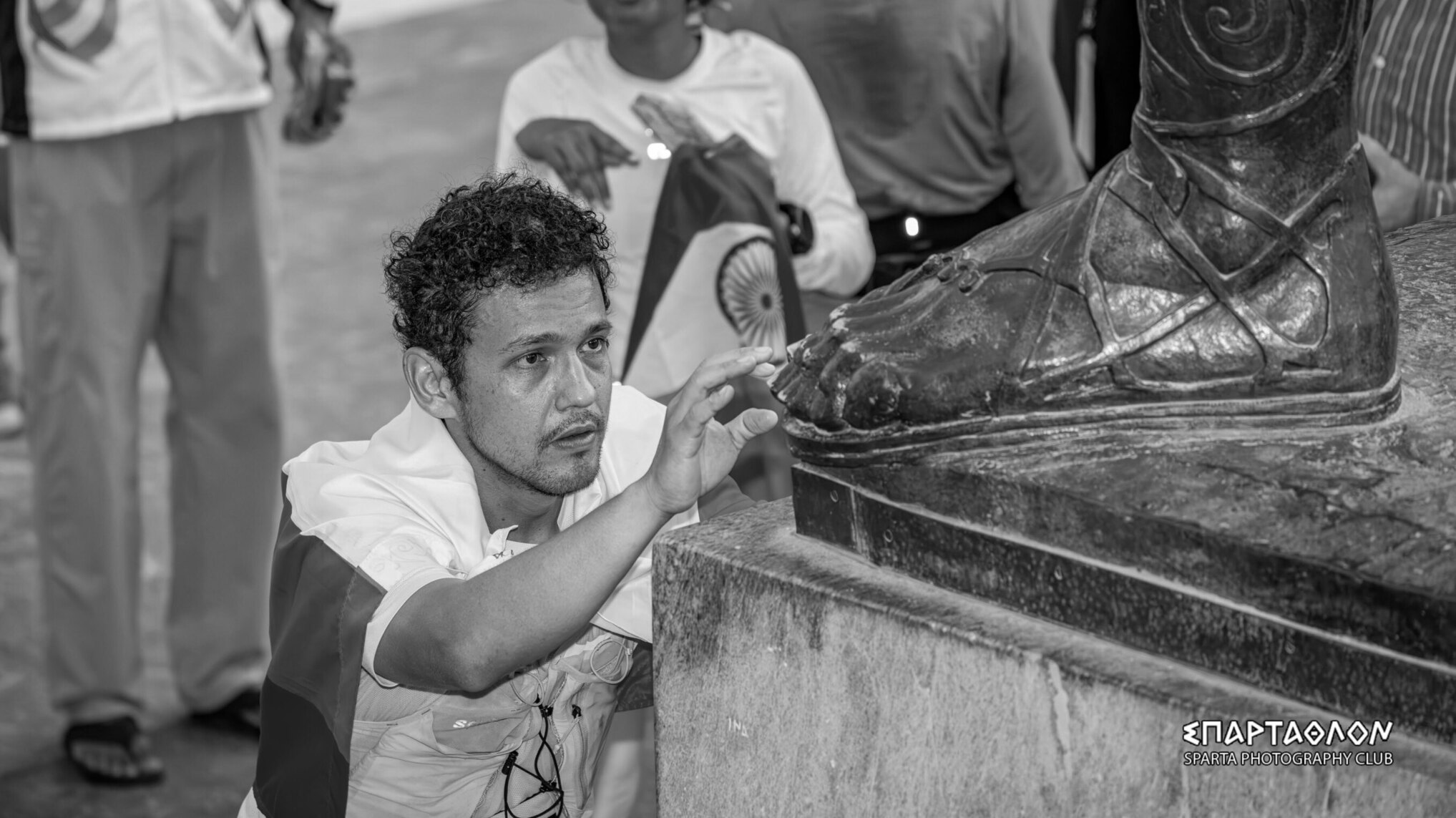
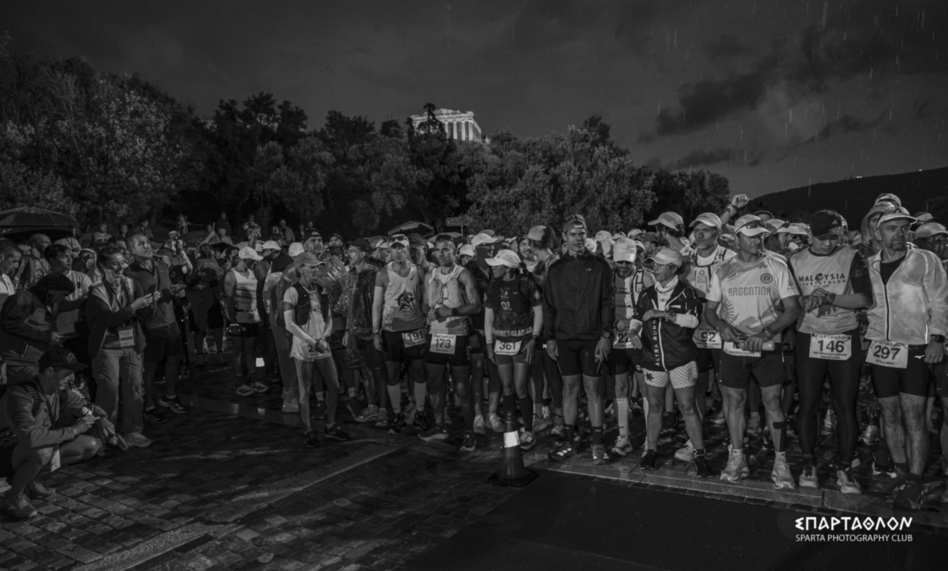
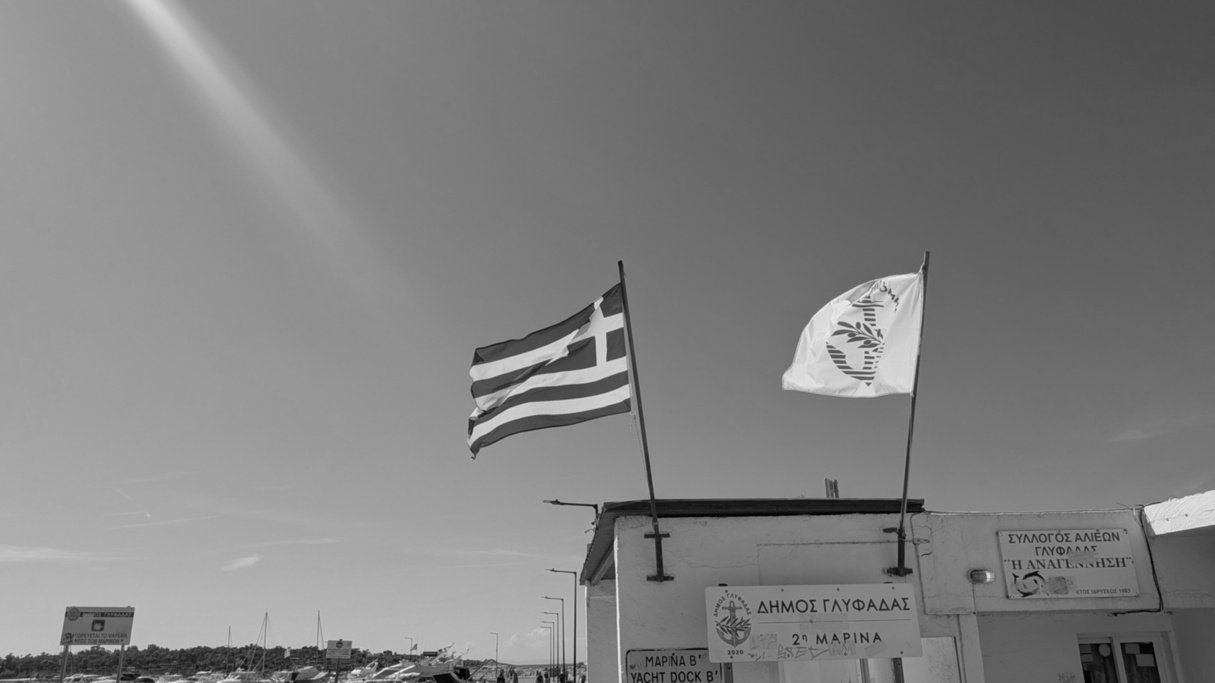
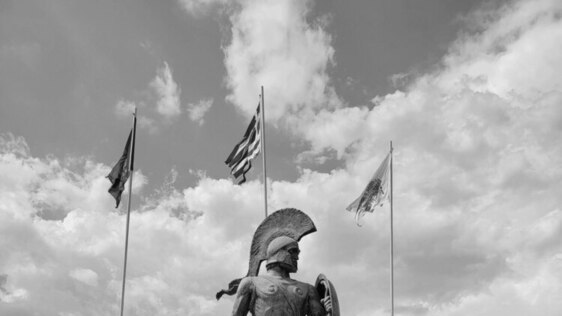
The article was about Spartathlon, a 246-kilometer race from Athens to Sparta, following a route a messenger named Pheidippides ran in 490 BC to ask the Spartans for help before the Battle of Marathon. The finish line is the statue of Leonidas. The race has cutoffs so tight that most people who start do not finish. The article described the Greek heat, the hallucinations, the vomiting, the particular kind of suffering that apparently draws hundreds of people from around the world every September.
I had never heard of ultramarathons. I was not a runner. My only real exposure to marathon running at that point was a professor from my undergraduate years in California. An athletic, relentless woman who had given up a lucrative job in the oil industry to become a professor of geology at my university. She trained hard and finished the Sacramento marathon, only to end the day in the emergency room hooked to an IV. She was proud of it. It scared me for years.
If one marathon did that, what would six of them back to back do to a person?
The article also introduced me to Scott Jurek, seven consecutive Western States wins, featured runner in the book “Born to Run”, and one of the defining figures of the sport. And to Yiannis Kouros, whose 303-kilometer 24-hour record sat in my head as something incomprehensible.1 Hundreds of kilometers in just a day. The library was already killing me and I was sitting still.
It all sounded surreal. So distant from my reality. Yet, somehow, inspiring.
That was roughly fifteen years ago. Today, May 15th, 2026, I sent my medical certificate and confirmed my participation for Spartathlon 2026.
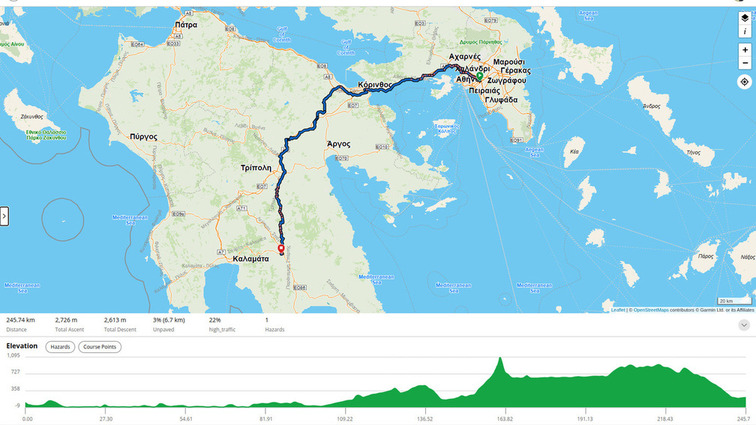
The path from that library to this confirmation is not a straight line. More of a random walk. It involves a few false starts, a long stretch of not running at all, and eventually, somehow, becoming the kind of person who signs up for this type of race.
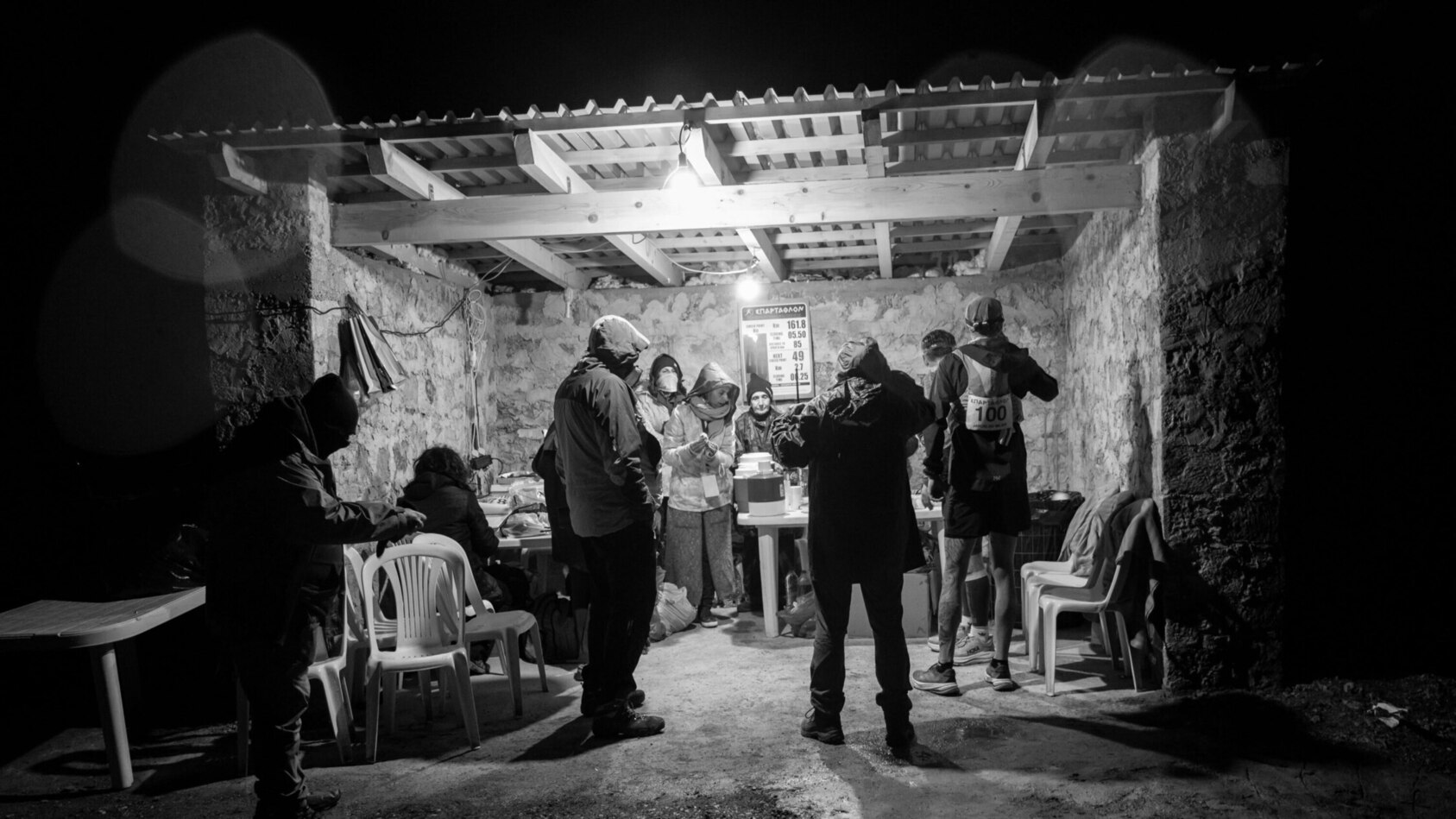
The qualification that got me here was the Mauerweglauf, run last August. The Mauerweg follows the route of the Berlin Wall, roughly 162 kilometers around the city. I had run it twice before. On the third attempt, conditions were favorable and I finished in under 21 hours. That time is the Spartathlon lottery qualifier for 100-mile races. Whether I would break 21 hours was always the question going into the Mauerweg. During the race itself, I was only thinking about the next aid station. The binary answer came at the finish line: yes.
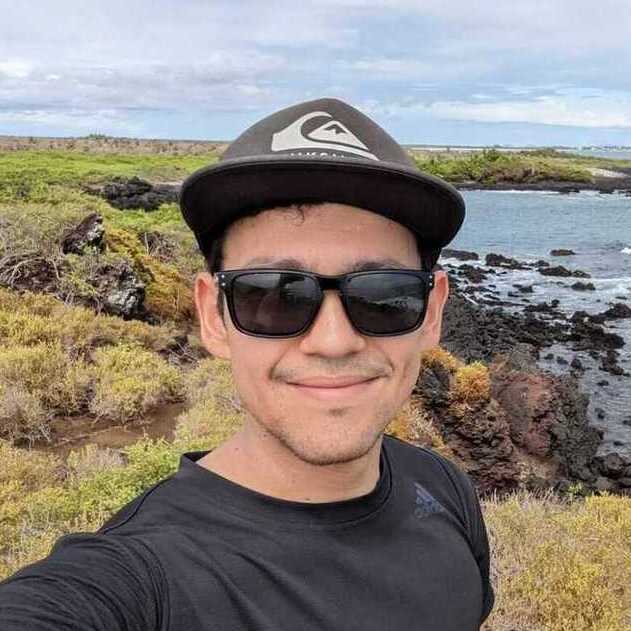
I first registered for Spartathlon from a bus in February. A fellow runner and friend, who will be my support crew in September, had texted to remind me that registrations were closing soon. I was on my way from the airport to a surf town in Ecuador, the kind of place where the idea of running 246 kilometers in the Greek heat feels even more remote than usual. I filled out the form and submitted it. The cost of doing it was lower than the cost of not doing it and living with the regret. So I did.
A couple of weeks later, the same friend called. “Hey,” he said. “You’re in.”
Not through the lottery, as it turned out. Because I was the only Colombian registered for 2026, I was placed on what the race calls the autoqualified list. This is a category that includes veteran Spartathlon finishers, runners with qualifying times significantly faster than the minimum, and runners from countries with no other entrants. The qualification standards to reach the lottery are the same for everyone; the autoqualified list just means I did not need to win a random draw on top of meeting them.
I’ll take it.
I have to be honest: getting that call was not a moment of excitement. In the weeks since, I have done enough research about the race, read enough accounts, watched enough footage, to understand clearly what I am signing up for. And whenever I try to picture myself on race day, I get emotional. Not from fear, exactly. From something harder to name.
It feels like I want to go back to that person sitting in the Bonn library, surrounded by those law student altars, reading about a race he could not imagine ever attempting, and tell him: you are capable of things you cannot yet picture. Things you would not believe even if someone described them to you.
He would not have believed it. I am still not entirely sure I believe it.
What I do know is that between now and September 26th, the day I will see the Acropolis in Athens at the start line, I have a summer of grueling training ahead. Spartathlon has a finishing rate that consistently sits below 40%. The cutoffs are unforgiving. The heat is not optional.
This blog series will document that preparation. Training, strategy, gear, nutrition, and whatever else takes up the hours between now and Athens. If you are curious about what it takes to get to the start line of one of the harder races on the calendar, follow along.
-
Kouros’s 24-hour record was later broken by Aleksandr Sorokin in 2021, with 309 kilometers. A year later, Sorokin broke his own record with 319.6 kilometers. ↩