The oldest rule in running is also the shortest one: nothing new on race day. Back in May, I wrote about the years it took me to find foods that work for me. That was the hard part. What is left now is deciding when to eat, and in what order.
It is very simple. Use what has worked in the past. Beyond that, the plan answers to two things.
Two guidelines
The first is fatigue. The gut I start with is not the one I will have 30 hours later. Early on, it can handle real food with some texture. As the hours pile up, it gets pickier, until only simple sugars in liquid form get through. So the logic is real food and fat while my gut can handle them, simple liquid carbs when it cannot. Gels, for example, belong at the end.
The second is the weather. In the heat, fat sits in the stomach and every solid bite becomes work. While the sun is up, I drink my calories.
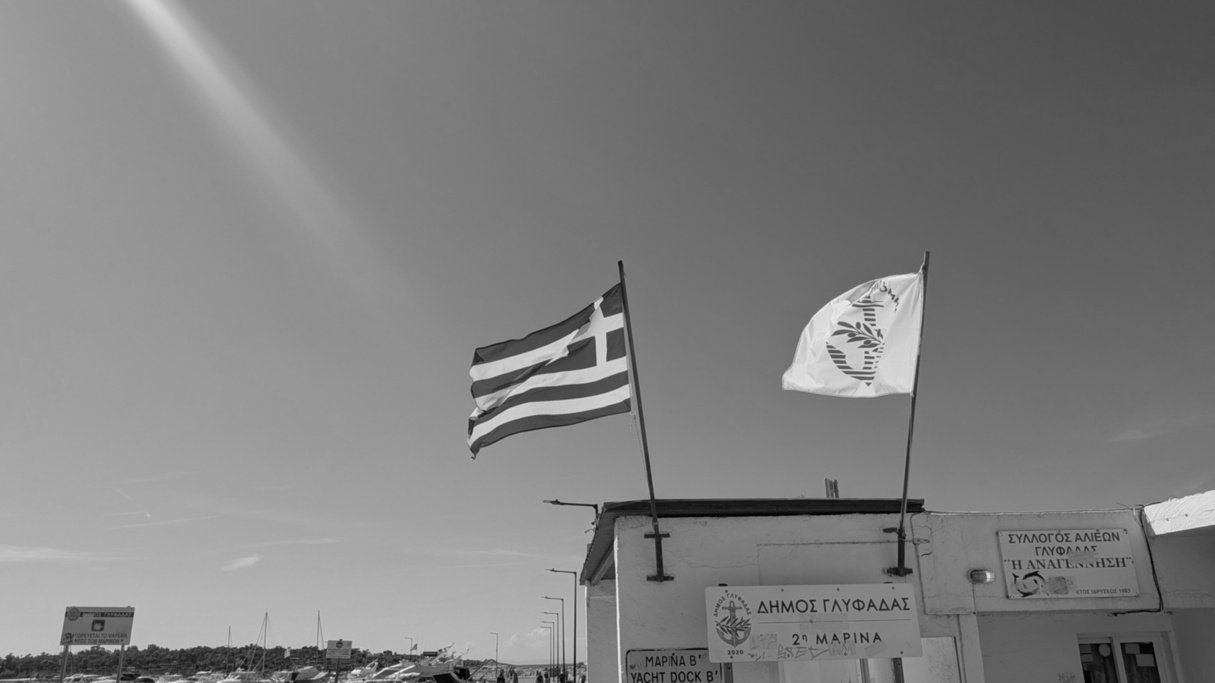
The two guidelines do not always agree. Fatigue says eat fat early. Heat says not in daylight. Spartathlon starts at seven in the morning, and September in Greece is hot, so the heat wins the first round. Fat waits for the evening.
The backbone
The target is at least 40 grams of carbohydrates per hour. That is lower than in other races. The logic is that this will be a much longer effort, and I have to be gentle with my gut. I will take more carbs when I can, but I will not push it. At the end of the day, fueling on race day is less about covering the energy you spend (you never will) and more about managing a calorie deficit until the finish line.
Everything is built around two 500 ml flasks that I carry at all times: one with water, one with a 50 gram portion of carbs.
The carbs come in two versions. One is the MNSTRY carb mix I settled on after weeks of testing. The other is panela, the unrefined cane sugar any Colombian will recognize. I carry both in ziplocks in my vest and switch between them on the road. I do not trust any single flavor to last more than a few hours.
Refill points are never more than 15 kilometers apart, and I remix at each one. At crew stops, I get a set of cold, premixed flasks, with lemon when it is panela. The ziplocks cover everything in between.
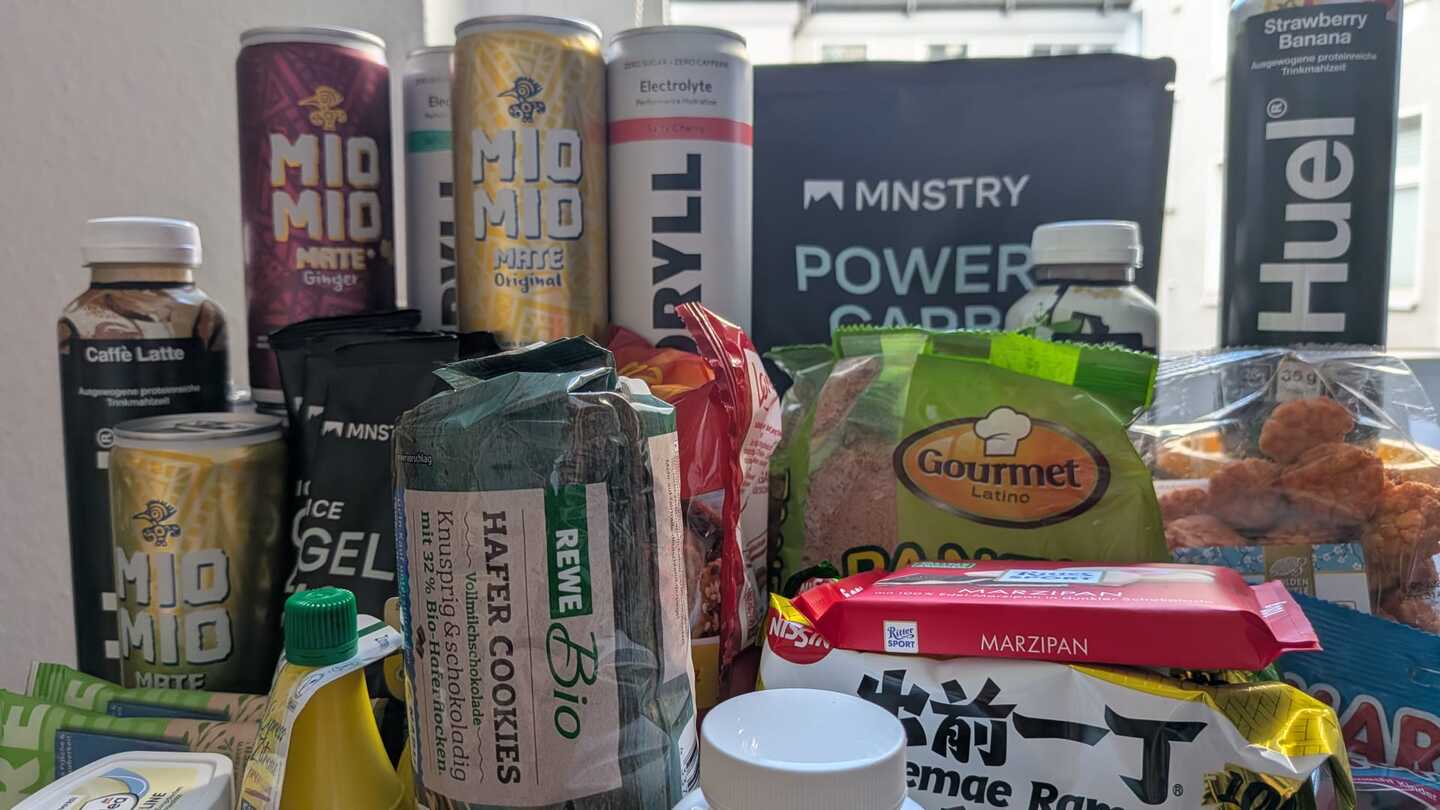
Sodium comes separately: 226ERS salt pills with ginger, especially during the hottest hours, and Dryll when I want a quick hit that also tastes good.
Three stretches
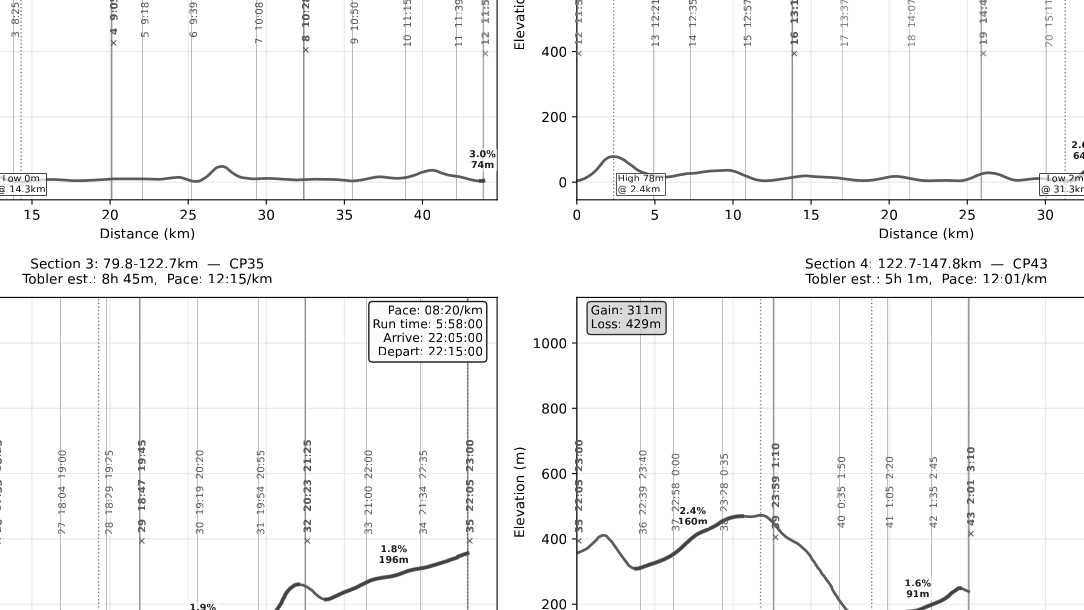
Start to CP29 (0 to 102 km). Mostly liquid. At CP12 and CP22 I add rice balls made with soy and honey, fruit, or both. Fat stays out because of the heat. On my plan A, I reach CP29 around sunset.
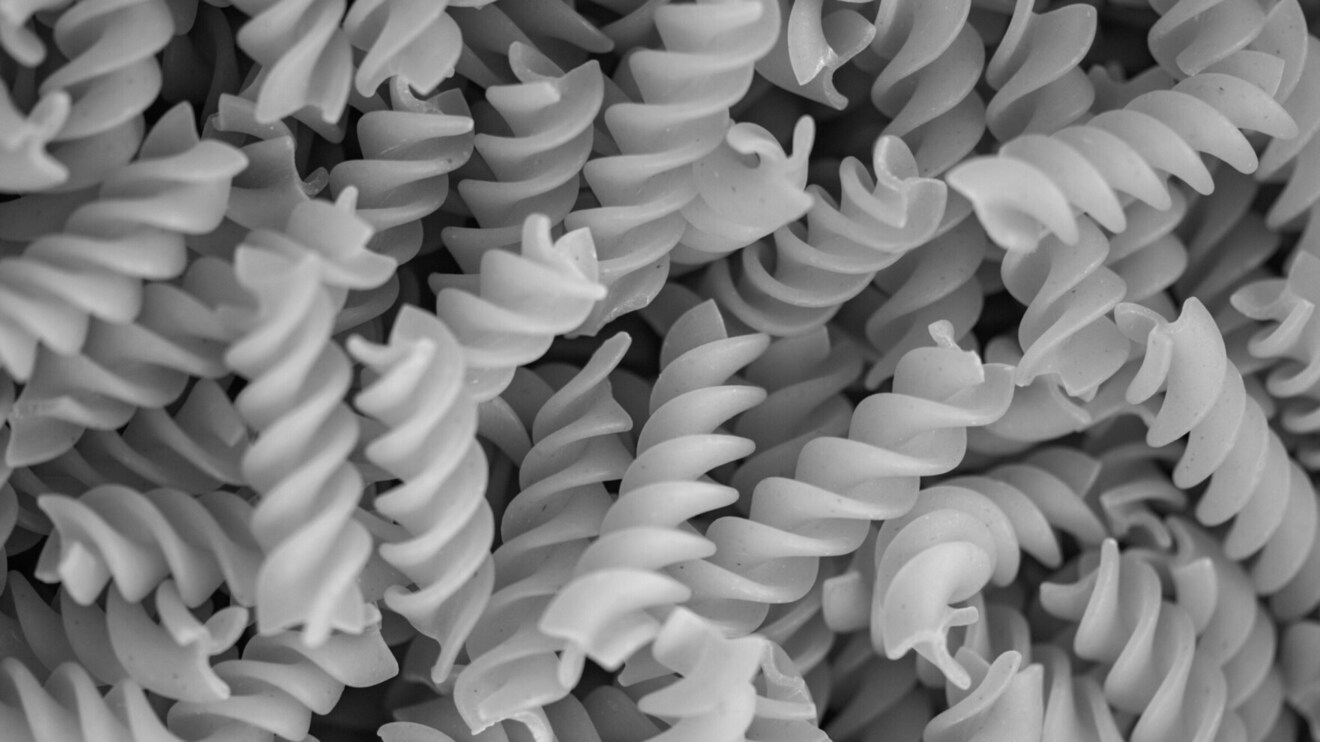
CP29 to CP52 (102 to 170 km). Savory food and fat come back at the crew stops. Soup, peanut butter, pasta with salt and olive oil, mashed potatoes, and instant ramen when it gets cold. Huel for when I need calories but nothing else goes in. Each stop should give me about 40 grams of carbs. If it does not, I mix my spare bag halfway to the next refill.
Caffeine starts at 22:00, or earlier if I need to trigger a bathroom stop. Around the 100-mile mark, hot panela fuels the climb.
CP52 to Sparta (170 to 246 km). Liquid only. Flasks, one gel per segment towards the very end, and Red Bull, Club-Mate or alcohol-free beer, for about 50 grams per hour. If plan A holds, I reach CP52 shortly before dawn and CP60 in the middle of the second morning. The sun is back and my gut is at its most tired. That is when fatigue and the weather point in the same direction.
When everything else fails
Comfort food. Haribo gummies, rice crackers, chocolate cookies. Nothing clever about them. They have simply been there every time the plan stopped working.
And a toothbrush. I will brush my teeth at a couple of aid stops, à la Courtney Dauwalter. I have done it for a while now and it is a great hack. After a day of sugar, a clean mouth is a small reset.
Like the pace plan, this is a guide rather than a prediction. It tells me what to reach for at each stop. It does not know what my stomach will say when I get there.